
Using Demonstration Storms to Prepare for Extreme Rainfall
Grades: 9, 10, 11, 12, AP
Type: Articles/Websites
Subjects: Earth and Space Sciences
Authors: NOAA, U.S. Climate Resilience Toolkit
Location: North America, North America > United States, North America > United States > Wisconsin

This resource has been reviewed by SubjectToClimate's climate scientists and verified for scientific accuracy and up-to-date information. Learn about our review process →
This resource has been reviewed by SubjectToClimate's climate scientists and verified for scientific accuracy and up-to-date information. Learn about our review process →
Synopsis
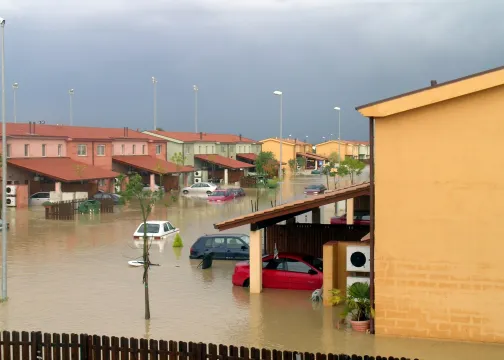
- This article examines how to use previous catastrophic events (like the 2008 Baraboo River storm in Wisconsin) to project the effects of similar events in other locations.
- It describes how this tool was used to asses the vulnerability and risks of a similar flooding event in Madison, WI from the Yahara River.
Teaching Materials
Positives
- This article has a references list with clickable links.
- This article does a good job of showing the monetary cost of extreme floods.
Additional Prerequisites
- Students should understand how climate change can lead to more extreme floods.
- Students should know about NOAA and what this organization does.
Differentiation
- This article could enhance a lesson on how humans are causing climate change, how this change is impacting the planet, and what can be done to combat climate change.
- This article could support a lesson on how societies, governments, and institutions are responding to the climate crisis and its resulting natural disasters.
- This article could augment a classroom discussion on how governments could focus on both adapting to climate change and reducing the causes.
- This article could supplement a classroom discussion about communities around the world that are most vulnerable to extreme flooding events.
This article describes a tool, initially designed for use in Wisconsin, that allows people and communities to simulate what would happen if a recent rainfall event fell over an area of their choosing. This allows communities to simulate extreme rainfall events to identify potential problems and gaps in their infrastructure and emergency plans. It is unclear if this specific tool is available, but the page does link to related tools (initially, it links to an overview page). Regardless of the availability of this specific tool, this article provides students with insight into how researchers, emergency managers, and communities learn from and prepare for extreme weather events. This resource is recommended for teaching.
Teaching Tips
Standards
Resource Type and Format
Scientist Reviewed
This resource has been reviewed by SubjectToClimate's climate scientists and verified for scientific accuracy and up-to-date information. Our review process ensures that every resource in our library reflects the current state of climate science.
Learn about our review process →