
How Wildlife Crossings Help Animals and Connect Habitats
Provided by: Mongabay Kids|Published on: May 8, 2026|Last updated: July 16, 2026
Grades: 4, 5, 6
Type: Articles/Websites
Subjects: Science
Authors: Mongabay Kids
Location: Earth
This resource has been reviewed by SubjectToClimate's climate scientists and verified for scientific accuracy and up-to-date information. Learn about our review process →
This resource has been reviewed by SubjectToClimate's climate scientists and verified for scientific accuracy and up-to-date information. Learn about our review process →
Synopsis
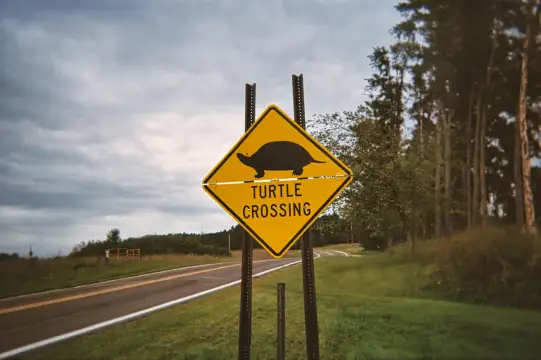
- This article explains how wildlife crossings are used around the world to reconnect fragmented habitats, reduce wildlife-vehicle collisions, and support animal migration.
- The article features examples of wildlife crossings from multiple countries and discusses the ecological benefits of restoring habitat connectivity for a variety of species.
- This is Part 2 of a series. Part 1 can be found here.
Teaching Materials
Prerequisites:
- Ensure students are familiar with the impacts of roads on wildlife.
Classroom Implementation:
- Use this resource in a unit on biodiversity, ecosystems, sustainable infrastructure, or in a unit on human impacts on the environment.
Related Resources:
- For older students, pair the article with this lesson plan to have students design their own wildlife corridor.
Extensions:
- Have students create a poster to inform others about what they can do to protect wildlife from the roads.
Literacy Connections:
- Encourage students to identify specific evidence in the text that supports the claim that wildlife crossings are effective solutions to habitat fragmentation.
Sustainable Development Goals Connections:
- Use this resource to make connections to Sustainable Development Goal 15, Life on Land, and Sustainable Development Goal 11, Sustainable Cities and Communities.
This article discusses different types of wildlife crossings used worldwide to help animals safely cross roads. It also examines the importance of these crossings, their benefits, and the fact that they are not a perfect solution. This topic encourages readers to think about humans' and society's impact on nature and what can be done to coexist with it. The information presented is accurate, and this resource is recommended for teaching.
Teaching Tips
Standards
Resource Type and Format
Scientist Reviewed
This resource has been reviewed by SubjectToClimate's climate scientists and verified for scientific accuracy and up-to-date information. Our review process ensures that every resource in our library reflects the current state of climate science.
Learn about our review process →